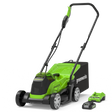
Battery Powered Leaf Vacuum: Matching Two 2Ah Batteries to Seasonal Cleanup
A blower vacuum naturally creates stopping points. You finish a pile, the bag needs emptying or you move from one section of the garden to another. Those moments are also practical times to manage the batteries.
This kit comes with two 2Ah batteries, but there is no fixed published runtime for the product. Battery capacity does not translate into one fixed number of minutes because a light layer of dry leaves on paving and a dense pile being vacuumed and mulched place different demands on the machine. Frequent turbo use changes the workload again.
Let the clearing job determine the battery rhythm instead. Finish one collection area, empty the bag if necessary, check what remains and then decide whether to continue or change batteries. That keeps battery changes tied to pauses that would happen anyway rather than creating a separate interruption.
The same approach works when you divide the garden into zones. Clear one lawn, path or patio area at a time and bring its leaves to a nearby collection point. You can then vacuum the pile, deal with the bag and move on knowing exactly how much of the job is finished.
The cordless leaf blower vacuum with battery and charger also uses a two-battery kit approach, but combines 370 km/h maximum air speed and 14.17 m³/min air volume with a 45L bag, adjustable support wheels and battery-level LEDs. Those differences become more relevant when higher-speed clearing and handling during repeated collection stages matter to the job.
For the GD40BVK2X, the two supplied 2Ah batteries are best considered as part of the normal stop-start rhythm of seasonal leaf collection rather than as a promise of a particular runtime.
Battery Leaf Vacuum: Where Shredded Leaves Can Go Next
Emptying the bag does not necessarily mean the leaves have become waste. You can decide where suitable leaf material will go before the clearing job begins.
For ordinary fallen deciduous leaves, leafmould is one useful destination. Thick leaves such as sycamore, walnut and horse chestnut break down more slowly, so shredding them first can help prepare the material for decomposition. The vacuum's 10:1 mulching stage therefore does more than reduce the space the leaves occupy in the 45L bag.
Leaf type still matters. Evergreen leaves such as holly, Aucuba and cherry laurel are generally better shredded and added to a compost heap, where they can break down with other suitable garden material. Leafmould that has already decomposed can later return to the garden as mulch or soil improver.
That makes the location of your collection piles worth planning. If the leaves are destined for a leafmould bin, build the final piles towards that part of the garden. If they are going to compost, vacuum closer to the route you will use to empty the bag. There is little value in moving leaves to one end of the garden only to carry the shredded material all the way back again.
For heavier clearing where a 50L bag and 12:1 mulching change the collection pattern, the cordless leaf blower vacuum combines 370 km/h maximum air speed and 14.33 m³/min air volume in a tool-only 40V format. It puts more emphasis on higher-speed clearing and larger collection capacity, while relying on compatible batteries you already own or purchase separately.
For the GD40BVK2X, the job does not have to end with a clear lawn. By deciding where the leaves are going before you start, you can move, shred and collect them in a way that leaves the material ready for its next use in the garden.